A Good Rule Is to Change Tires With the Seasons and Check Wear Often
Most drivers should schedule a tire change service at least twice a year, usually when summer and winter weather shift. You may also need it sooner if your tires are worn, damaged, or the wrong type for the road conditions. In a place like Falls Church, VA, weather swings, road salt, heat, and potholes can all affect how often tire changes make sense.
Why Prevention Matters
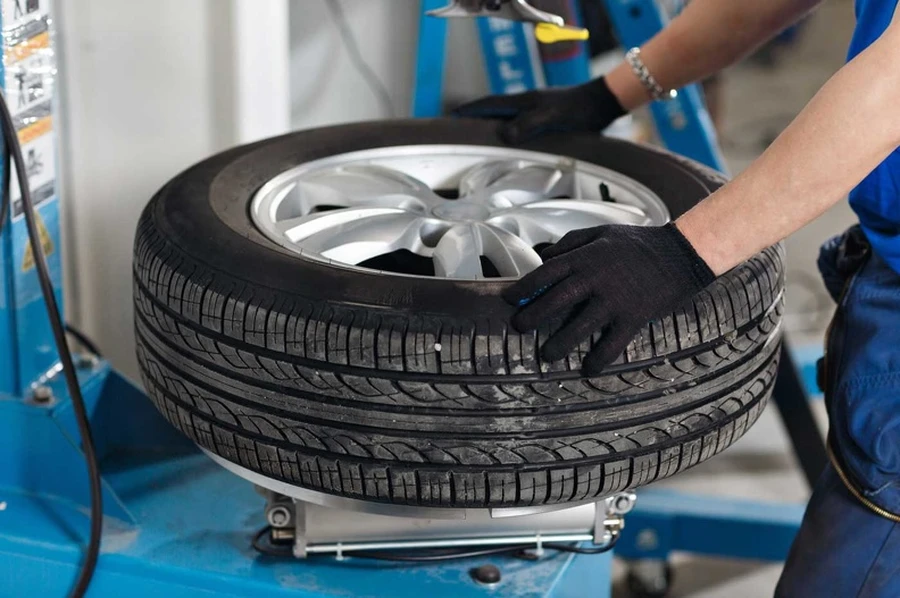
Regular tire care helps your car grip the road better. It can also help with braking, steering, and fuel use. If you wait too long, worn or seasonal tires may not handle rain, snow, heat, or rough roads well. A tire change service is not just about swapping tires. It is also a good time to spot damage, uneven tread wear, and small issues before they grow.
Many people think tires only need attention when one goes flat. That is not true. Tires wear slowly, so problems can sneak up on you. A simple maintenance plan helps you stay ahead of trouble and avoid extra stress.
Early Warning Signs
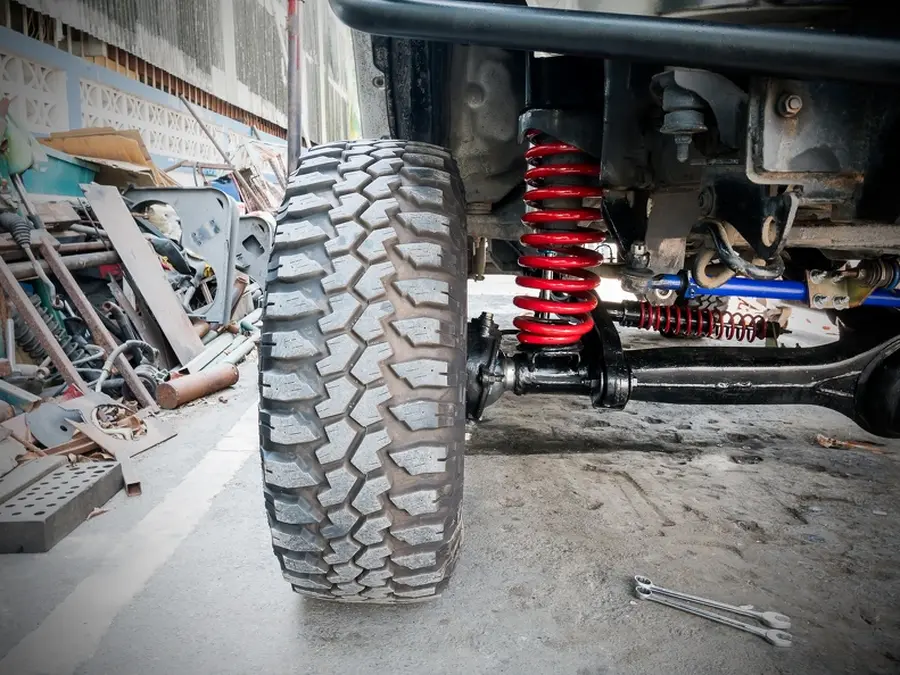
Your car will often give you clues when it is time for a tire change service or other tire care. If you notice any of these signs, do not wait too long.
- Tread looks thin or uneven
- The car pulls to one side
- You feel more road noise than usual
- The ride feels rough or shaky
- You see cracks, bulges, or cuts in the sidewall
- Your winter or summer tires are still on past the season
These signs do not always mean the tires must be replaced right away, but they do mean they need a close look. In some cases, the issue may be air pressure, alignment, or balance. Even so, a tire change service visit can help catch the real cause.
Seasonal or Routine Checklist
A simple routine makes tire care much easier. Most drivers do best with a schedule tied to the weather and their mileage. If you use a separate set of winter and summer tires, spring and fall are the usual times to switch. If you use all-season tires, you should still have them checked on a regular basis.
- Check tread depth every month.
- Look at tire pressure when temperatures change.
- Inspect for cuts, nails, or sidewall damage.
- Schedule seasonal tire swaps in spring and fall.
- Rotate tires about every 5,000 to 7,500 miles.
- Ask for balance and alignment checks if the ride feels off.
This routine works well for most cars, trucks, and small SUVs. Drivers who travel long distances, carry heavy loads, or drive on rough roads may need service more often. The same goes for homes with more than one vehicle, where one car may wear tires faster than another. This kind of service category keyword can include seasonal swaps, inspections, rotation, and general wheel care.
Best Practices for Long-Term Results
If you want your tires to last longer, small habits matter. Try not to ignore pressure checks. Underfilled tires wear faster and can hurt fuel economy. Overfilled tires can reduce grip and wear unevenly. Keep your wheels aligned, especially after hitting a deep pothole or curb.
It also helps to store off-season tires the right way. Keep them in a cool, dry place away from direct sun. Clean them before storage. If they are mounted on wheels, stack them with care. If not, stand them upright. Good storage can help your spare set stay in better shape between each tire change service.
Driving style matters too. Hard braking, fast turns, and quick starts can wear down tread sooner. Smooth driving helps tires last longer and perform better.
What Not to Do
Some tire mistakes are easy to avoid. One common mistake is waiting until bad weather has already arrived. If snow or freezing rain is coming soon, local shops may fill up fast. Planning ahead gives you more choice and less stress.
Another mistake is mixing tire types on the same vehicle. For example, putting winter tires on only one axle can affect handling. Ignoring small damage is also risky. A tiny crack or nail may seem minor at first, but it can lead to a larger problem later.
Do not assume tread is fine just because the tire is not old. Age matters, but miles, weather, and road surface matter too. A tire can still wear out fast if your alignment is off or if you drive on rough streets often.
When to Schedule Professional Help
You should schedule professional help when the seasons change, when tread gets low, or when your car starts showing warning signs. It is also smart to book a tire change service before long road trips. That gives you a better chance to drive safely and spot issues before you are far from home.
Professional service is helpful if you do not have the tools, space, or time to swap tires yourself. It also helps when wheels need balancing, tire pressure sensors need attention, or you are not sure which tires fit your driving needs. In Falls Church, VA, local road and weather patterns can make timing more important than many drivers expect.
Get Help When Your Tires Need Attention
If it is time to plan your next tire change service, we are here to help. Drivers across Falls Church, VA can call for friendly guidance based on the season, tread wear, and driving habits. At Crossroads Tires Inc., we can inspect your tires, swap seasonal sets, and help you choose the right schedule. Reach us at (571) 471-2331 to set up a visit that fits your needs.