Fast Help Can Lower Risk and Get Drivers Out of Harm’s Way
A jump-start service supports roadside vehicle safety by helping a stalled vehicle get moving again without unsafe guesses, bad battery handling, or long waits on the shoulder. When a car will not start, the driver may be stuck in traffic, in a dark lot, or on the side of a busy road in Falls Church, VA. Fast, careful battery help can reduce that danger and help the driver make the next safe choice.
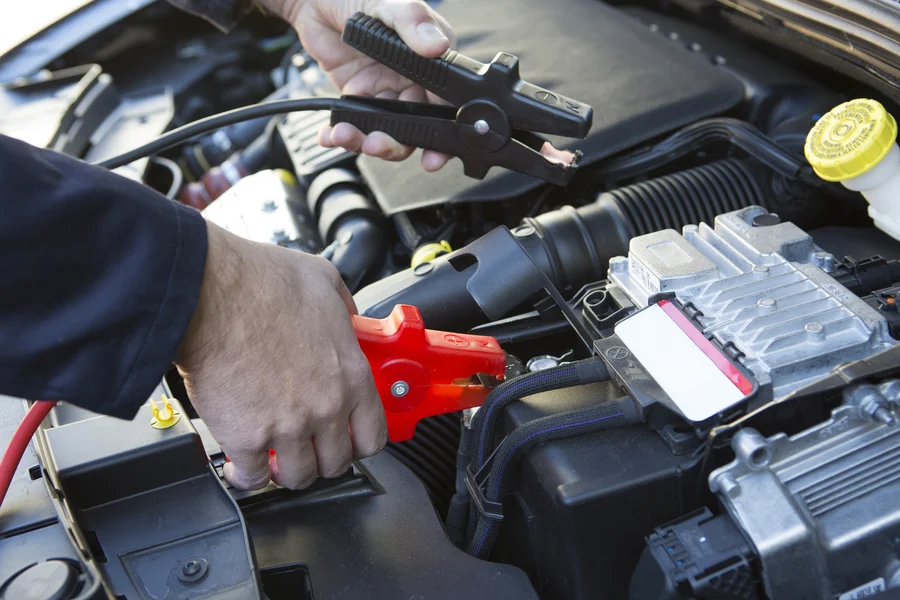
Quick Answer
When a battery dies, the main safety problem is not just the car. It is the place where the car stopped. A jump-start service helps by checking the battery, using the right tools, and getting the vehicle started if a jump is safe. This can shorten the time a driver spends in a risky spot. It also helps prevent mistakes like using the wrong cables or connecting them in the wrong order.
What You Need Before Starting
Before any jump-start, a few basic things matter. The driver should move as far from traffic as possible, turn on hazard lights, and stay aware of passing cars. If the hood can be opened safely, it helps to know where the battery is and whether there is visible damage. Not every no-start problem is a dead battery, so a quick check helps avoid the wrong fix.
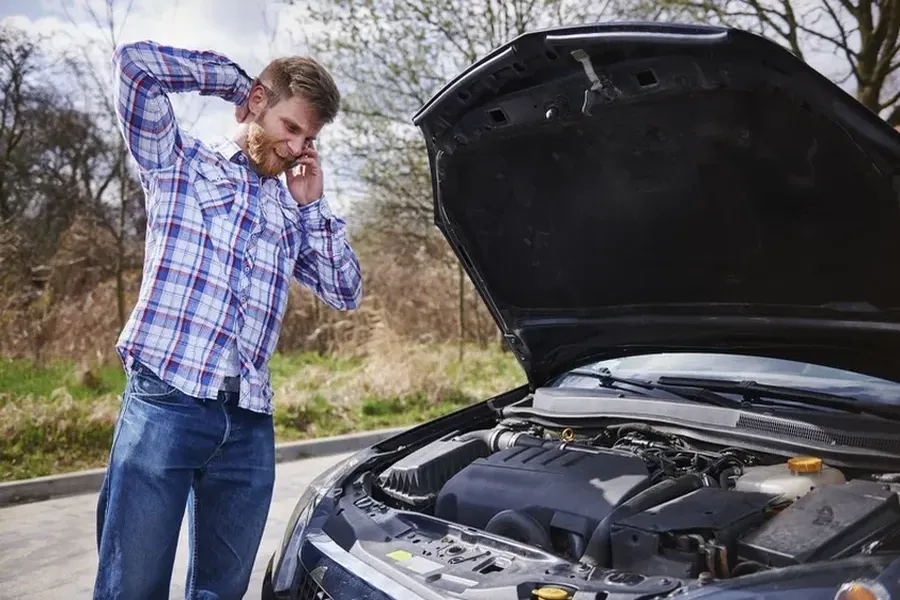
This type of roadside help often falls under . Even though the category may include many kinds of vehicle support, battery trouble needs careful handling each time.
Step-by-Step Process
A jump-start service usually follows a simple safety process before power is added to the battery.
- Park in a safe position and set the parking brake.
- Turn on hazard lights to alert other drivers.
- Check the battery for leaks, cracks, or loose cables.
- Confirm the vehicle is in park or neutral.
- Connect jumper cables or a jump pack in the right order.
- Start the disabled vehicle after a short charge period.
- Test whether the engine stays running.
- Advise the driver on the next step, like battery testing or replacement.
That order matters. It helps reduce sparks, confusion, and battery damage. It also helps the driver avoid standing in traffic longer than needed.
Common Mistakes to Avoid
Many roadside battery problems get worse because people rush. A friend may try to help, but small errors can create bigger safety issues. Wrong cable placement can damage electrical parts. Jumping a cracked battery can be dangerous. Leaving the car in drive or forgetting the parking brake can also create risk.
- Do not assume every no-start means a dead battery.
- Do not touch cable clamps together.
- Do not connect cables without checking positive and negative posts.
- Do not stand in a traffic lane while working.
- Do not keep trying if the vehicle shows signs of another problem.
Another common mistake is staying too long in a bad location. If the car is stopped on a narrow shoulder, near a curve, or in heavy traffic, getting trained roadside help can be safer than trying to fix it alone.
When to Call a Professional
There are times when calling for a jump-start service is the safer move right away. If the vehicle is stuck in a high-traffic area, if it is dark, if the battery looks damaged, or if the driver does not have proper tools, outside help makes sense. It also helps when the car still will not start after a jump, since that can point to a bad alternator, starter, cable, or another electrical issue.
Professional roadside teams often bring more than cables. They may use battery packs, basic testing tools, and safety gear. That can speed up the process and lower the chance of harm. A simple battery problem can be handled fast, while a deeper issue can be spotted before the driver heads back onto the road.
How This Improves Roadside Safety
The biggest safety benefit is less exposure. A driver with a dead battery may be stranded in a parking lot late at night, at a gas station, or on the edge of a fast road. A jump-start service helps shorten that stop. It can also keep the driver from accepting help from strangers, walking through traffic, or trying a fix without the right knowledge.
There is also a second safety benefit after the car starts. The person helping can often spot warning signs that mean the car should not keep driving far. Dim lights, weak cranking, corrosion, or a battery that dies again fast can all point to a problem that needs repair soon. That advice can prevent the next breakdown in a worse place.
Final Recommendation
if you are stuck with a dead battery, staying safe comes first. Move out of traffic if possible, turn on hazard lights, and avoid risky guesswork. A jump-start service can help get the vehicle running while lowering danger to the driver and others nearby. If the battery looks damaged or the car still will not start, more testing is the smart next step. For roadside help in Falls Church, VA, contact us at (571) 471-2331. Crossroads Tires Inc. can help you decide the next safe step.